



After all, gone are the days when blogging was just that exciting new thing you would do after coming home from school, writing about your day on your Live Msn blog and MySpace, sharing depressing Green Day songs and leaving cryptic clues as to who you had a crush on (wait, was it just me?).
Blogs are now considered a trusted source of information, a career path and, most importantly, an SEO and content marketing strategy for businesses. Yep. A highly effective strategy, to be precise.
While the benefits of blogging for business can be summed up in Crafty Copy’s motto (rank, reach, stand out), let’s break them down and look into each of them to fully understand them.
 1. Blogging on your business website boosts your SEO by generating more indexed pages
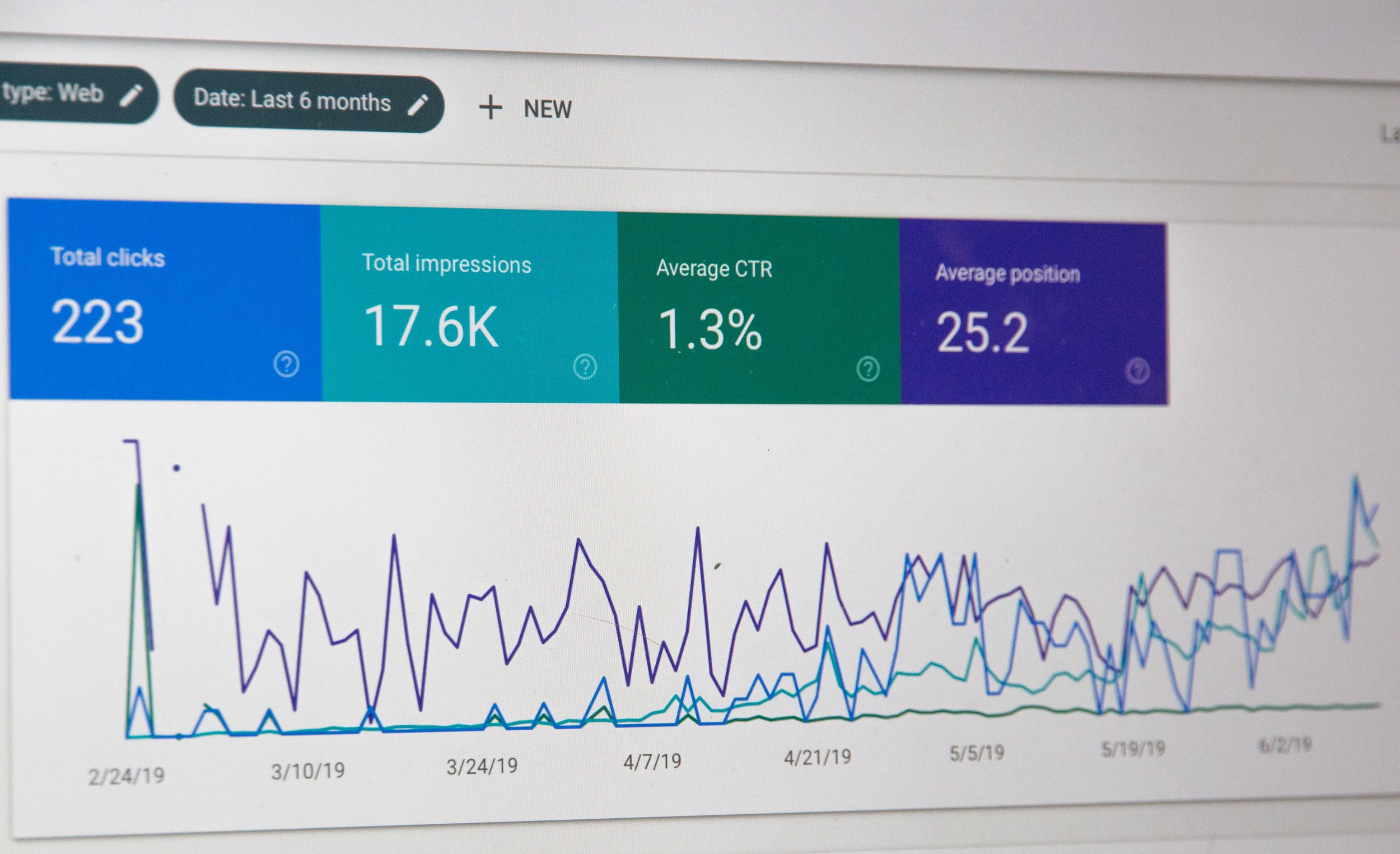
Imagine you have written the best novel of your life (aka your website) and placed one copy in a massive library (Google). You obviously want people to find it, but there are tonnes of other books in there.
What if, instead of just your main novel, you also wrote lots of smaller pamphlets (blog posts), all relevant to the genre of your masterpiece and all mentioning its location in their pages? It would definitely allow more people to find your book.
That’s one of the main ways blogging for business helps your website’s SEO.
Each blog post is a new indexed page on search engines.
Another chance to get noticed. That’s why websites with blogs get an average of 434% more indexed pages! (1)
Plus, it shows Google that you know all there is to know about your industry. When your website is a chonky boi full of high-quality content, search engines trust it more.
2. It helps you rank higher for long-tail keywordsI’m sure your website is already optimised for single keywords, but think of the way users type on Google. They ask questions, they want to find solutions, they go deeper into a topic.
For example, if someone were to search “How to reduce my plastic footprint” and you had a blog post that covers that very topic, they’d find yourself on your website. And after reading it, they’d realise that you are a company that sells plastic-free products. ‘Interesting!’ You see where I’m getting at, right?
Blog posts come with ‘titles’ and ‘headings’, which mean ‘strategically placed long tail keywords’.
Imagine the number of industry-related keywords that you could target by blogging regularly!
Let’s say that you’re going to blog once a week. That’s 52 new long-tail keywords every year.
3. It can generate plenty of inbound linksSearch engine crawlers LOVE websites with lots of inbound links.
Their logic is: “if so many other websites are linking back to them, they must have great content”.
However, it can be tough to get people (other than your proud family members) to spontaneously link back to the homepage or ‘about’ section of your website.
If you were to share useful or entertaining content, though, your readers might very well link to it or use it as a reference.
In fact, websites with blogs receive 97% more inbound links than normal websites (2). Not bad at all.
4. It gives you the opportunity to create internal linksWhile you still need plenty of inbound links, you shouldn’t forget about internal ones either. Search engine crawlers are obsessed with those too. They actually help them ‘crawl’ your website by creating more and more pathways and a clearer map.
Also, internal links to other relevant blog posts, different sections of your websites or specific products can help you keep your readers (aka potential customers) stay on your website for longer, discover your products, and facilitate the conversion funnel.
5. Google rewards websites with fresh contentAnother important aspect of SEO is freshness. Of course, your website hasn’t got an expiry day (unlike the yoghurt that I forgot about for two weeks until this morning), but if it’s been created two years ago and NEVER been updated… well, crawlers are not going to favour it (just like me with the yoghurt).
Adding fresh content regularly and consistently in the form of blog posts lets search engines know that your website is still updated and relevant.
Definitely the kind of thing they’ll want to share with their users.

On average, we spend 2 hours and 22 minutes PER DAY on social media (3). Wow.
It’s only natural that you want to direct your marketing efforts towards those platforms.
I’m sure you already have a badass social media presence, but not all the users who would probably be interested in your products are actually following you.
If you create shareable content (aka compelling and useful blog posts), many people will want to share them on their social media. And their followers might do the same. And so on. And so on.
You are basically reaching more people on social media without the added cost of paid ads! Nice one.
Needless to say, you can (and should) still share your blog posts with your existing audience. As well as your pictures and videos, they’ll get awesome articles on topics that they’re already interested in or curious about.
Not only will this be a lifesaver on those days where you just can’t think of what to post: by peppering your social media strategy with these blog posts, you’re giving people more reasons to stick around and engage with you.
7. It improves your conversion rateRemember when I said that search engine crawlers love fresh content? Well, so do humans. We are not that different after all.
A website with a blog that’s been updated two weeks ago looks more active and appealing than one that, much like Firefly, has been abandoned abruptly years ago.
Updating your blog regularly shows your potential customers that you are actively putting effort into creating fresh content for them.
They are going to be much more likely to purchase from you.
But don’t forget that only a very small percentage of your website visitors is actually ready to hit that Buy button.
By writing articles aimed at different stages of the sales funnel, you’re covering all you basis, helping make this transition smoother.
Plus, these articles are the perfect excuse to add organic links to relevant products whenever appropriate.
Are you a florist that’s just written an article on the benefits of keeping a houseplant in your bedroom? It’d be silly not to link to that new plant that is known for absorbing even more CO2 at night!
8. It helps generate leadsA blog post is also a chance to spark interest in your readers and generate new leads. You shouldn’t let your website visitors read it and then walk away, forgetting about you.
Give them a chance to remember you or join your virtual family!
Add a call to action, an email opt in, a form submission, and so on.
The more you blog, the more leads you’ll generate, and these leads will... lead (duh?) to more sales!
It’s most definitely not a coincidence that, on average, websites with blog generate 67% more leads (4) than those who’re not part of the hip blogging squad.

Let’s say a coffee shop is looking for a new coffee supplier and finds two roasters that offer very similar products. However, one has been posting regular blogs about blends, caffeine and coffee-related topics. They seem to know a loooooot about it. The other? Nothing.
Which one do you think would inspire more authority?
And don’t forget that 70% of consumers learn about a brand through its blog posts rather than ads (5), so they definitely help when it comes to brand recognition, too!
10. It supports your newsletterSometimes it’s hard to find new things to talk about in your newsletter and, even worse, to get people to actually click on the links that you provided.
Blogging is, once again, a lifesaver!
Just like it gives you new things to post about on your socials, it provides you with fresh and useful content that you can link to in your newsletter.
11. And, finally, one of the benefits of blogging for business is that it humanises your brandYep, blogging on your business website strengthens your relationship with customers.
It shows them that your company is not just logos, branding and products: it’s made of thought-leading experts in their field, people who get involved with local events, and who are becoming more and more active within their industry.
Most importantly, it shows them that you actually care about their needs and that you value them so much that you’ve been creating high-quality content to entertain them and educate them.
Blogging also allows you to tell your brand’s story, show (and reward) the employees behind your success, put a face to their names and make your brand feel human, relatable and likeable.
Woah. That’s a… what’s the technical term? A FREAKIN’ AWESOME bunch of perks! After all, the varied range of benefits of blogging for business is what makes it such a versatile content marketing strategy.
Are you ready to join the blogging business squad? (We’ve got cookies!)

If you are but wouldn’t know what to write about or just haven’t got enough time to invest in this incredible SEO and marketing strategy, check out my regular blogging packages. I’ll do all the hard work and you can sit back and enjoy all the benefits of blogging for business. How does that sound?
References
-
Hood, E. (2013, August 7). The #1 Small Business Marketing Idea [Infographic]. Retrieved from http://blog.ignitespot.com/blog/small-business-marketing-idea
-
Jekishan, K. (2014, June 4). 10 Unbelievable Statistics To Sell Your Boss on Business Blogging. Retrieved from https://www.business2community.com/blogging/10-unbelievable-statistics-sell-boss-business-blogging-0903221
-
Salim, S. (2019, January 4). How much time do you spend on social media? Research says 142 minutes per day. Retrieved from https://www.digitalinformationworld.com/2019/01/how-much-time-do-people-spend-social-media-infographic.html
-
Patel, N. (n.d.). How to Convert Blog Readers to Leads. Retrieved from https://neilpatel.com/blog/convert-blog-readers-to-leads/
-
(n.d.). (2019, January 19). A Guide To Making Your Corporate Blog Relevant. Retrieved from https://www.quicksprout.com/corporate-blogging/